
Sozo Scientific is dedicated to the preservation of and continuity of biological life in the face of large-scale extinction threats. Through rigorous research, advanced risk modeling, and the development of resilient response systems, the organization seeks to anticipate and mitigate catastrophic scenarios, including those arising from nuclear detonations and extreme atmospheric disruptions such as hydrogen sulfide proliferation. By integrating interdisciplinary scientific expertise with forward-looking strategies, Sozo Scientific strives to safeguard human life and uphold the long term viability of the biosphere.
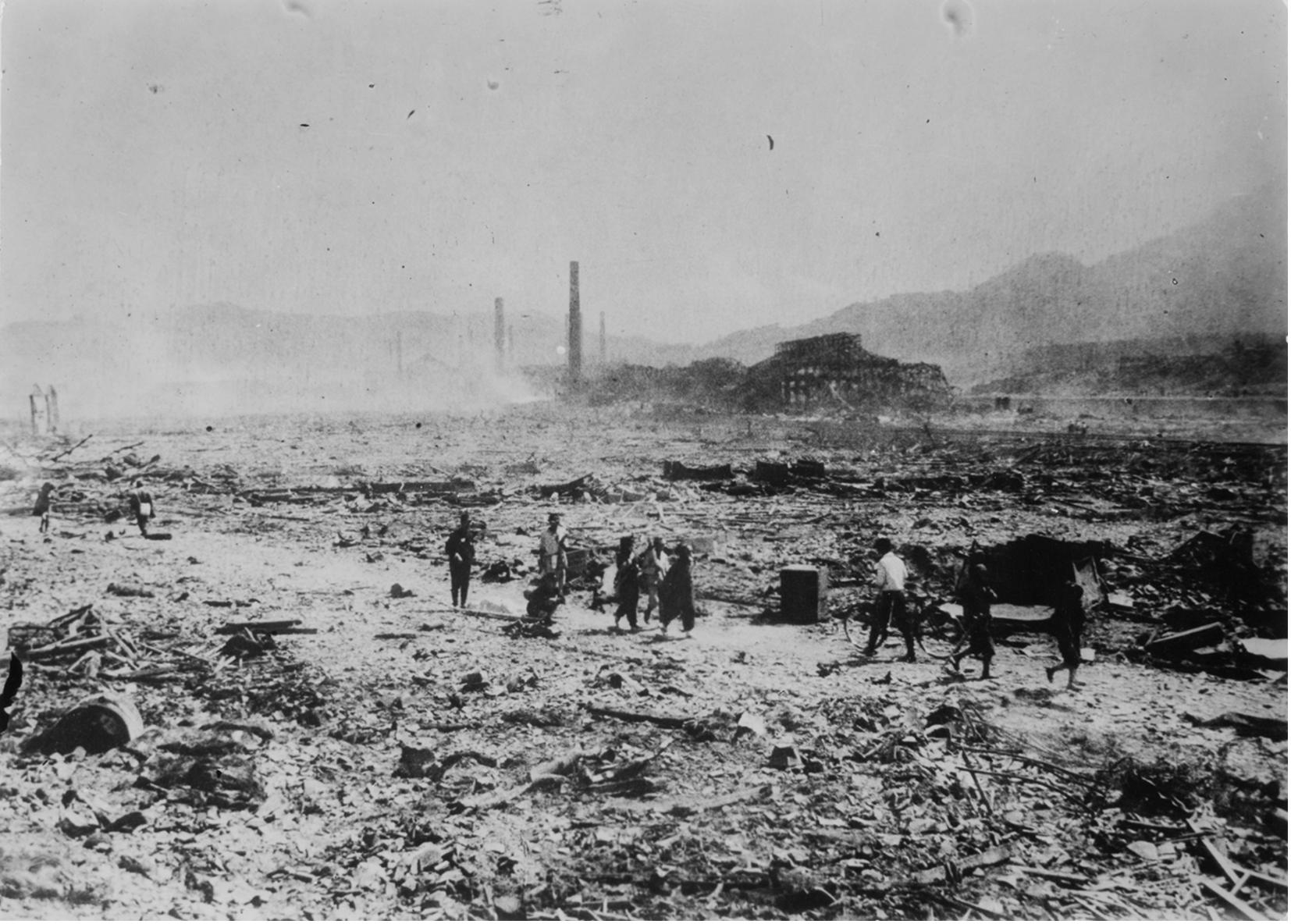
National Archives (1998-2024). The survivors amongst the ruins of Nagasaki [png]. Atomic Archive. https://www.atomicarchive.com/media/photographs/nagasaki/image-22.html.

Lawson, J. (2016). Tackling exposure to hydrogen sulphide [png]. Engineer Live. https://www.engineerlive.com/content/tackling-exposure-hydrogen-sulphide. Hydrogen sulfide is a highly toxic, colorless gas that poses significant risks to both human health and environmental stability. Hydrogen sulfide is strongly implicated in several mass extinctions on Earth, including the Permian-Triassic Extinction, the Late Devonian Extinction, the Cenomanian-Turonian Boundary Event, Precambrian Early Life Events, and early animal marine die-offs. Observational data from NASA and affiliated Earth-monitoring programs have, since the early 2000s, contributed to the remote detection and analysis of atmospheric and oceanic conditions associated with hydrogen sulfide production. Beginning around 2004, satellite-based instruments — while not typically measuring hydrogen sulfide at a global scale — have high-resolution imaging of precursor conditions such as ocean anoxia, algal blooms, and sulfur cycling dynamics. At Sozo Scientific, we believe that preparedness and purposefully monitoring these hydrogen sulfide events could prove beneficial for the preservation of biological life on Earth.
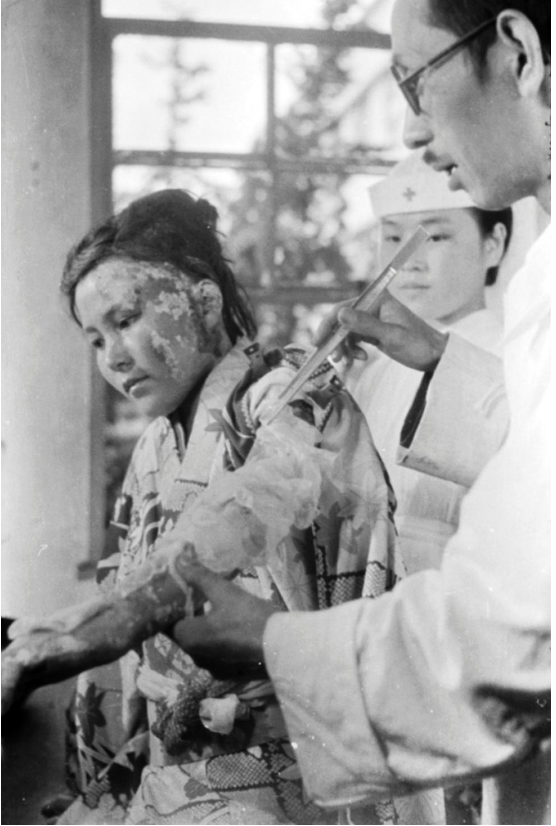
National Archives (1998-2024). A young woman receives dressing for her burned arms Oct. 4, 1945, at the Red Cross Hospital in Hiroshima [png]. Atomic Archive. https://www.atomicarchive.com/media/photographs/human/medical.html.Nuclear weapons possess the capacity to drive global-scale biological disruption through a combination of immediate and long-term effects, particularly if deployed in large numbers. The initial detonations produce intense blast waves, thermal radiation, and ionizing radiation, causing widespread destruction of ecosystems and near-instant mortality across affected regions. Beyond these immediate impacts, the broader existential risk arises from what scientists describe as nuclear winter.
In such a scenario, firestorms ignited by urban and industrial targets inject massive quantities of soot and particulate matter into the upper atmosphere, reducing incoming sunlight and triggering global rapid cooling.
This abrupt climatic shift could severely disrupt photosynthesis, collapse agricultural systems, and destabilize food webs on land and in the oceans. Compounding factors include ozone layer depletion from nitrogen oxides generated by nuclear explosions, increased ultraviolet radiation at the surface, and the potential for long-lived radioactive contamination to impair reproduction and ecosystem recovery. While total sterilization of all life on Earth is considered unlikely, the cascading environmental effects of a large-scale nuclear conflict could plausibly result in mass extinction-level losses of biodiversity and a profound, long-term reduction in global biological productivity.
At Sozo Scientific, we believe that improved hospital preparedness and monitoring the nuclear threat level could prove beneficial for the preservation of biological life on Earth.